
我们如何为出口市场生产烧结石台面
Sintered stone worktops have rapidly become a preferred surface material across global residential, commercial, and hospitality projects. Their strength, low porosity, heat resistance, and premium aesthetics make them an ideal choice for modern interior applications.
However, for international buyers, product quality alone is not enough.
Consistency, fabrication precision, export-grade packaging, and reliable delivery all determine whether a supplier is truly capable of supporting overseas projects at scale.
This article explains the complete manufacturing process behind export-ready sintered stone worktops—from slab selection to final shipment—highlighting the systems that ensure every order meets international expectations.
Why Manufacturing Quality Matters for Export Markets
The Real Challenges in Global Sourcing
Sourcing sintered stone worktops internationally involves multiple risks. Products must survive long-distance shipping, multiple handling stages, and varying installation environments.
Even small inconsistencies can lead to:
Misaligned installations on site
Visible color variation across batches
Edge defects affecting aesthetics
Breakage during transit
For importers, reliability is not optional. It is essential.
What Global Buyers Expect from a Supplier
A true export-ready manufacturer must consistently deliver:
Dimensional precision across all units
Stable color and surface consistency
Flexible OEM and customization capability
Strict quality inspection systems
Export-safe packaging solutions
On-time production and shipping control
These expectations define whether a supplier can support long-term international partnerships.
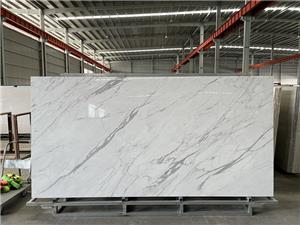
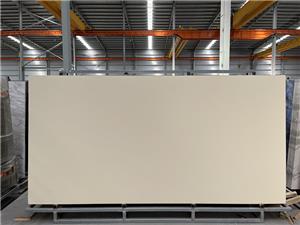
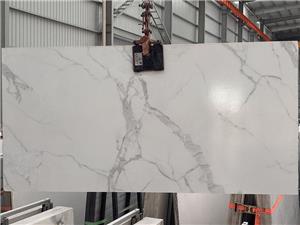
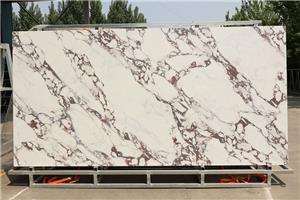
Step 1: Premium Slab Selection for Stable Quality Output
Selecting High-Performance Sintered Stone Materials
Every worktop begins with the slab.
Sintered stone is engineered under extreme heat and pressure using natural minerals, resulting in a highly durable and non-porous surface. However, not all slabs meet export-grade standards.
Only slabs that demonstrate:
Stable color performance
Structural integrity
Uniform texture distribution
Consistent thickness tolerance
are selected for production.
Pre-Production Material Evaluation
Before cutting begins, each slab undergoes inspection for:
Surface defects or imperfections
Pattern alignment suitability
Batch consistency
Technical performance compliance
This step ensures downstream stability across large export orders.
Step 2: Production Planning and Precision Layout Design
Translating Customer Requirements into Manufacturing Data
Each project begins with technical interpretation of:
CAD drawings
Installation layouts
Custom dimensions
Quantity breakdowns
Precision planning eliminates production uncertainty and reduces material waste.
Optimized Cutting Layout Strategy
Advanced nesting systems are used to:
Maximize slab utilization
Preserve design continuity
Reduce offcut waste
Improve production efficiency
This stage directly impacts both cost control and final product consistency.
步骤三:数控精密切割和加工
工业级数控加工
数控设备确保每一次切割都具有极高的尺寸精度。与手工加工相比,数控系统具有以下优势:
可重复精度
严格的公差控制
更快的生产周期
更低的错误率
这对于出口项目至关重要,因为安装取决于确切的规格。
定制加工能力
出口市场需要灵活性。常见的加工服务包括:
水槽开孔(台下式/台上式)
灶台和炉灶开口
攻丝和夹具钻孔
L形和岛状布局
特殊的建筑造型
每个单元都是根据项目具体要求生产的。
第四步:边缘轮廓加工和表面精加工
专业边缘处理方案
不同的市场对外观处理的要求也不同。常见的边缘形状包括:
笔直抛光边缘,适合现代室内设计
斜边设计,细节更精致
斜接边缘设计,营造厚重奢华的外观
瀑布式边缘设计,打造高端岛屿风情
精密的边缘处理既提升了美观性,又增强了结构完整性。
表面精加工和精细化
制造完成后,每个部件都要经过以下工序:
边缘平滑和校准
表面清洁和修复
在受控照明条件下进行最终目视检查
目标是确保每个出口单元的质量保持一致。
第五步:多阶段质量控制系统
来料检验
生产开始前,需对钢坯进行以下检查:
颜色一致性
表面缺陷
结构不规则性
只有经过审核的材料才能进入生产环节。
过程质量监控
生产过程中,持续的检查确保:
尺寸精度
切割精度
制造对准
表面完整性
早期发现可以防止生产缺陷扩大。
最终装运前检验
包装前,每块台面都要经过以下检查:
整体做工
边缘和表面质量
切口精度
尺寸符合性
只有完全合格的产品才能进行出口包装。
第六步:为全球品牌提供OEM和自有品牌制造服务
支持国际品牌发展
OEM 服务使分销商和零售商能够以自己的品牌标识推出产品。
这包括:
定制规格和尺寸
品牌和标签选项
产品识别系统
定制包装解决方案
灵活生产,满足多元化市场需求
制造系统能够满足多种需求:
多种厚度可选
多种饰面和纹理
特定市场尺寸标准
基于项目的定制
这种灵活性对于全球供应链至关重要。
步骤 7:出口级包装,确保运输安全
包装为何决定出口成败
即使是高质量的制品,如果没有适当的保护,在运输过程中也可能损坏。出口货物必须能够承受以下考验:
长途海运
多次加载循环
仓库搬运
集装箱运输
多层防护系统
每个工作台面均采用以下方式固定:
减震泡沫层
加强型边缘保护
重型木箱
防潮包装
目标很简单:抵达时零损伤。
第八步:集装箱装载和出口协调
专业装载程序
正确的装载方式可确保产品在运输过程中保持稳定。
主要原则包括:
均衡的重量分布
确保货箱摆放稳固
行动管制措施
高效的空间利用
经验丰富的装卸团队可显著降低运输风险。
出口单证和物流支持
为确保顺利交付,货物运输包括:
商业发票
打包清单
产品规格
出口协调文件
清晰的文件有助于加快清关速度。
大型出口订单的一致性
标准化制造系统
大型项目需要可重复的质量保证。标准化流程可确保:
统一的生产产量
稳定的材料性能
可控的制造精度
批次质量控制
对于多批次发货的订单,通过以下方式保持一致性:
颜色匹配系统
表面均匀性检查
尺寸校准
生产记录跟踪
这样可以保证所有交付产品的一致性。
为什么全球买家选择与具备出口能力的制造商合作
工程驱动型生产能力
先进的数控系统和技术精湛的技师确保每个环节都能精准执行。
丰富的出口经验
了解国际物流、包装要求和合规标准,可确保跨境交易顺利进行。
综合质量保证
质量控制贯穿整个生产过程,而不仅仅局限于最终检验。
这降低了风险,提高了买家的长期可靠性。
常见问题解答
烧结石台面是如何制造的?
它们在受控的生产系统中,通过板材选择、数控加工、边缘处理、质量检验和出口包装等工序生产而成。
烧结石台面可以接受OEM定制订单吗?
是的。我们可以为国际客户量身定制尺寸、表面处理、开孔、品牌标识和包装。
出口前会进行哪些检验?
每件产品都要经过尺寸检查、表面评估、制造验证和包装检验。
工作台面在运输过程中如何得到保护?
它们采用泡沫保护、加固板条箱和防潮包装系统进行保护。
典型的生产周期是多久?
交货时间取决于订单量和定制复杂程度,包括制造、检验和出口准备。
结论
为出口市场生产烧结石台面需要的远不止生产能力。它需要精密的工程设计、严格的质量控制以及以出口为导向的物流系统无缝协作。
从板材选择到集装箱装载,每个环节都对确保产品完整性起着作用。
对于国际买家而言,选择具有出口经验的制造商可以显著降低风险,并确保项目在全球市场上持续取得成功。
询价
对于OEM项目、定制台面或大宗出口订单,可提交详细规格和图纸以供评估。可根据要求提供样品制作和技术咨询服务。